Working with STM32 and E-Ink Display Part 2: Displaying Full Screen Color
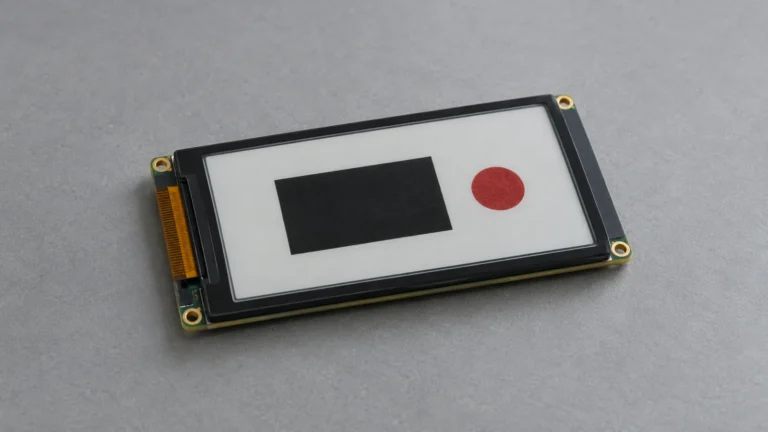
Displaying a full-screen color image on an E-Ink display demonstrates the device’s ability to render rich visuals using its reflective, low-power technology. In this…


A working example uses STM32 HAL driver APIs, beyond an incidental HAL_Delay call.
147 articles · Page 5 of 15
Displaying a full-screen color image on an E-Ink display demonstrates the device’s ability to render rich visuals using its reflective, low-power technology. In this…
In this part of the guide, we will bring together all the concepts learned so far to measure temperature from the DS18B20sensor using the 1-Wire protocol.…
In this part of the guide, the focus is on how the emulated sensor uses interrupts to inform the master about new data availability or status…
Timer synchronization on STM32 allows multiple timers to operate in a coordinated manner using trigger modes, enabling one timer to act as a master and…
In this guide, we will demonstrate how to render images on the SSD1331 OLED display by sending bitmap data directly from a C array.Using…
In this part, we dive into how the STM32 receives data from a 1-Wire sensor, interpreting the precise timing signals that represent logical bits. Understanding…
The 1-Wire protocol is a simple, low-speed communication standard developed by Dallas Semiconductor (Maxim) that uses just a single data line and ground for both power…
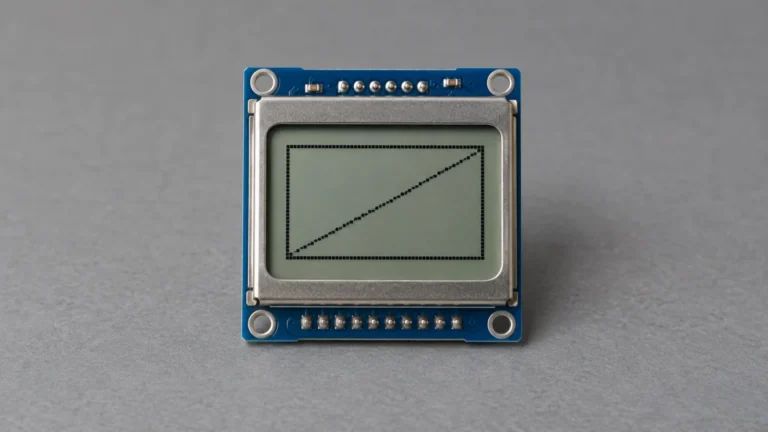
This guide demonstrates how to interface a Nokia 5110 display based on the PCD8544 controller with an STM32 microcontroller using the U8G2 graphics library.…
In this guide, we will focus on the firmware side by initializing the SSD1331 controller and preparing it for operation. Once initialized, we’ll implement…
In this part of the guide, we will extend the emulated sensor by introducing control over the rate of its internal ADC conversions. By…